


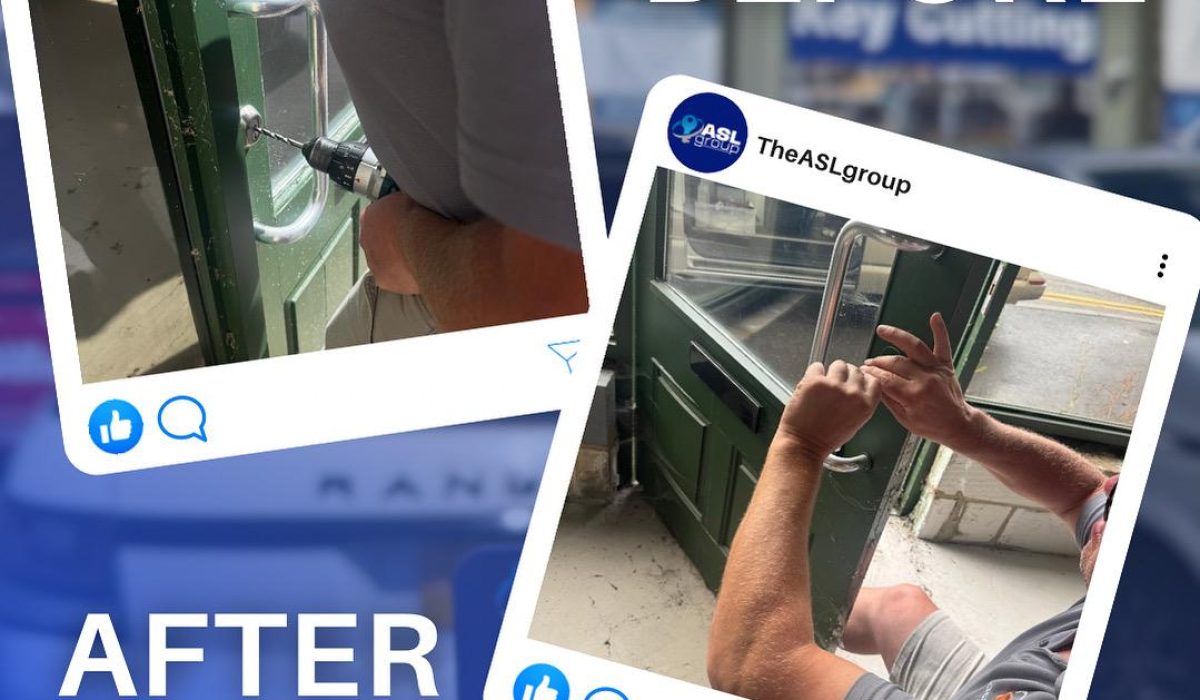
In today’s fast-paced business environment, security concerns are at the forefront for many small businesses in Dorset. Traditional locks, while effective, may not be sufficient for the dynamic needs of modern enterprises. As technology advances, keyless entry systems have emerged as a practical solution, offering enhanced security and convenience. However, transitioning to a keyless system can present challenges. This guide will help you understand the benefits, considerations, and steps involved in implementing a keyless entry system for your business.
Understanding Keyless Entry Systems
Keyless entry systems replace traditional keys with electronic access mechanisms. They can include keypads, biometric scanners, or smartphone apps, allowing authorised personnel to enter premises without physical keys. For small businesses in Dorset, these systems can streamline access control and enhance security.
Types of Keyless Entry Systems
-
Keypad Entry Systems: Users input a numeric code to gain access. This method is simple and cost-effective but requires regular code changes to maintain security.
-
Biometric Systems: These systems use unique physical traits, such as fingerprints or facial recognition, to grant access. While more secure, they can be more expensive to install and maintain.
-
Smartphone-Based Systems: These systems allow users to unlock doors via an app on their smartphones. They often include features like remote access and activity monitoring, making them ideal for businesses that require flexibility.
Benefits of Keyless Entry Systems
Implementing a keyless entry system offers several advantages for Dorset SMEs:
-
Enhanced Security: Keyless systems are harder to tamper with than traditional locks. They often include sophisticated encryption methods to protect access codes.
-
Convenience: No more fumbling for keys. Employees can enter premises quickly, reducing wait times and improving workflow.
-
Access Management: You can easily manage who has access to what areas of your business. This is particularly useful for businesses with multiple staff members or changing personnel.
-
Audit Trails: Many systems provide logs of who accessed the premises and when, helping you monitor security and identify potential issues.
How to Choose the Right Keyless Entry System
Selecting the right keyless entry system for your business involves careful consideration. Here’s a checklist of factors to evaluate:
-
Assess Your Needs: Consider the size of your business, the number of employees, and the areas requiring restricted access.
-
Evaluate Security Features: Look for systems that offer robust security features, such as encryption, two-factor authentication, and tamper alerts.
-
Consider User Experience: Choose a system that is user-friendly for both staff and visitors. Complicated systems can lead to frustration and reduced productivity.
-
Integration with Existing Systems: Ensure the keyless entry system can integrate with your current security measures or other business systems, such as employee management software.
-
Budget: Determine your budget for the installation and ongoing maintenance of the system. It’s essential to balance cost with the level of security and convenience offered.
Common Mistakes to Avoid
When implementing a keyless entry system, be mindful of these common pitfalls:
-
Neglecting Training: Ensure that all employees are properly trained on how to use the system. Failure to do so can lead to security breaches or access issues.
-
Ignoring Updates: Regularly update software and firmware to protect against vulnerabilities. Many breaches occur due to outdated systems.
-
Underestimating Maintenance: Some businesses overlook the importance of maintaining their keyless systems. Regular checks can prevent malfunctions and security gaps.
Steps to Implement a Keyless Entry System
-
Research and Select a System: Conduct thorough research on available systems, comparing features, costs, and reviews. Consulting with a professional locksmith can provide valuable insights.
-
Plan Installation: Work with your locksmith to plan the installation process. Ensure minimal disruption to your business operations during the transition.
-
Train Employees: Organise training sessions for your staff to ensure everyone knows how to use the system effectively.
-
Monitor and Adjust: After installation, monitor the system’s performance and gather feedback from users. Be prepared to make adjustments as necessary.
-
Review Security Policies: Update your security policies to reflect the new system and ensure all staff are aware of their responsibilities regarding access control.
Conclusion
Keyless entry systems can significantly enhance the security and operational efficiency of your Dorset business. By understanding the benefits, making informed decisions, and avoiding common pitfalls, you can successfully implement a system that meets your specific needs. If you need assistance in choosing or installing a keyless entry system, consider reaching out to a local expert. A professional locksmith can provide tailored advice and ensure your business remains secure.
For more information on securing your business, visit our guide on how to secure your business premises.