


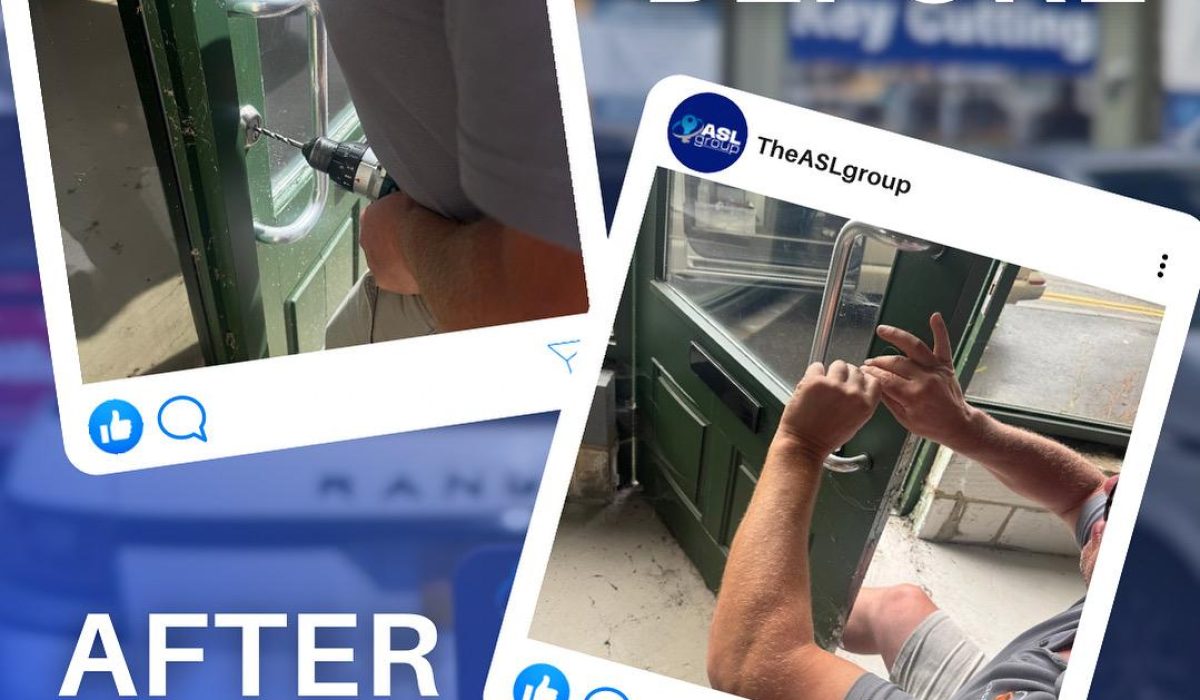
As a small or medium-sized enterprise (SME) in Dorset, securing your business premises is not just about protecting physical assets; it’s about safeguarding your livelihood and reputation. With increasing incidents of theft and vandalism, ensuring that your business is secure should be a top priority. This guide will walk you through effective security measures tailored for local businesses, helping you make informed decisions about how best to protect your premises.
Understanding Your Security Needs
Before diving into specific security solutions, it’s crucial to assess your unique security needs. Consider the following:
- Location: Is your business in a high-crime area?
- Type of Business: Do you handle sensitive information or high-value goods?
- Operating Hours: Are you open late at night or during weekends?
- Existing Security Measures: What systems do you currently have in place?
Conducting a Security Audit
A thorough security audit is the first step in identifying vulnerabilities. Here’s how to conduct one:
- Assess Entry Points: Check all possible entry points, including doors, windows, and garages.
- Evaluate Current Locks: Are your locks high-security? Consider whether they are up to current standards.
- Inspect the Perimeter: Look for weak spots in fencing or outdoor lighting.
- Review Internal Security: Ensure that sensitive areas inside your business are adequately secured.
This evaluation will provide a clear picture of your security landscape and help you identify areas for improvement.
Choosing the Right Locks for Your Business
Once you have identified your security needs, selecting the right locks is essential. Here are key factors to consider:
Types of Locks
- Deadbolts: Offer a higher level of security than standard locks.
- Smart Locks: Provide keyless entry and can be monitored remotely.
- Mortise Locks: Ideal for commercial properties due to their strength and durability.
- Electronic Locks: Offer flexibility and control over access.
How to Choose
- Security Rating: Look for locks that comply with British Standards (e.g. BS3621).
- Material: Choose locks made from hardened steel for maximum resistance.
- Installation: Ensure locks are installed by a qualified locksmith to avoid vulnerabilities.
For a professional assessment of your locking systems, consider reaching out to ASL Dorset Locksmiths for expert advice tailored to your business needs.
Enhancing Physical Security
Beyond locks, there are several physical security measures you should consider implementing:
Security Cameras
- Benefits: Deter criminal activity and provide evidence in case of incidents.
- Placement: Install cameras at entry points and high-value areas.
- Monitoring: Consider systems that allow for remote viewing.
Alarms and Sensors
- Types: Intruder alarms, motion sensors, and glass break detectors can all enhance security.
- Integration: Choose systems that can integrate with your existing security measures for seamless operation.
Lighting
- Outdoor Lighting: Ensure your premises are well-lit, especially entry points and dark corners.
- Motion Sensors: Install lights that activate when movement is detected to deter intruders.
Mistakes to Avoid
When it comes to business security, certain pitfalls can undermine your efforts. Here are common mistakes to avoid:
- Neglecting Regular Maintenance: Security systems and locks need regular checks to ensure they function correctly.
- Ignoring Employee Training: Ensure your staff know how to use security systems and understand the importance of security protocols.
- Overlooking Insurance: While not a physical security measure, having comprehensive business insurance can mitigate losses in case of a security breach.
Creating a Security Plan
Once you have assessed your needs and implemented measures, it’s essential to develop a comprehensive security plan:
Components of a Security Plan
- Access Control: Define who has access to different areas of your business.
- Emergency Procedures: Establish protocols for various scenarios, including theft or break-ins.
- Regular Reviews: Schedule regular reviews of your security measures and update your plan as needed.
Checklist for Ongoing Security
- [ ] Conduct regular security audits.
- [ ] Test alarm systems monthly.
- [ ] Review access logs if using electronic systems.
- [ ] Update emergency contact information.
Engaging Professional Help
While many security measures can be implemented independently, enlisting a professional locksmith can ensure that your systems are optimally installed and maintained. A qualified locksmith can also provide:
- Expert Advice: Help you choose the most effective security solutions for your specific business needs.
- Emergency Services: Quick response in case of lockouts or security breaches.
- Up-to-Date Knowledge: Stay informed about the latest security technologies and practices.
For reliable commercial locksmith services in Dorset, contact ASL Dorset Locksmiths to discuss your security needs.
Conclusion
Securing your business premises is an ongoing process that requires careful planning and execution. By understanding your security needs, selecting the right locks, enhancing physical security, and engaging professional help, you can create a safe environment for your business to thrive. Don’t leave your security to chance—take proactive steps to ensure your business is protected against potential threats.