


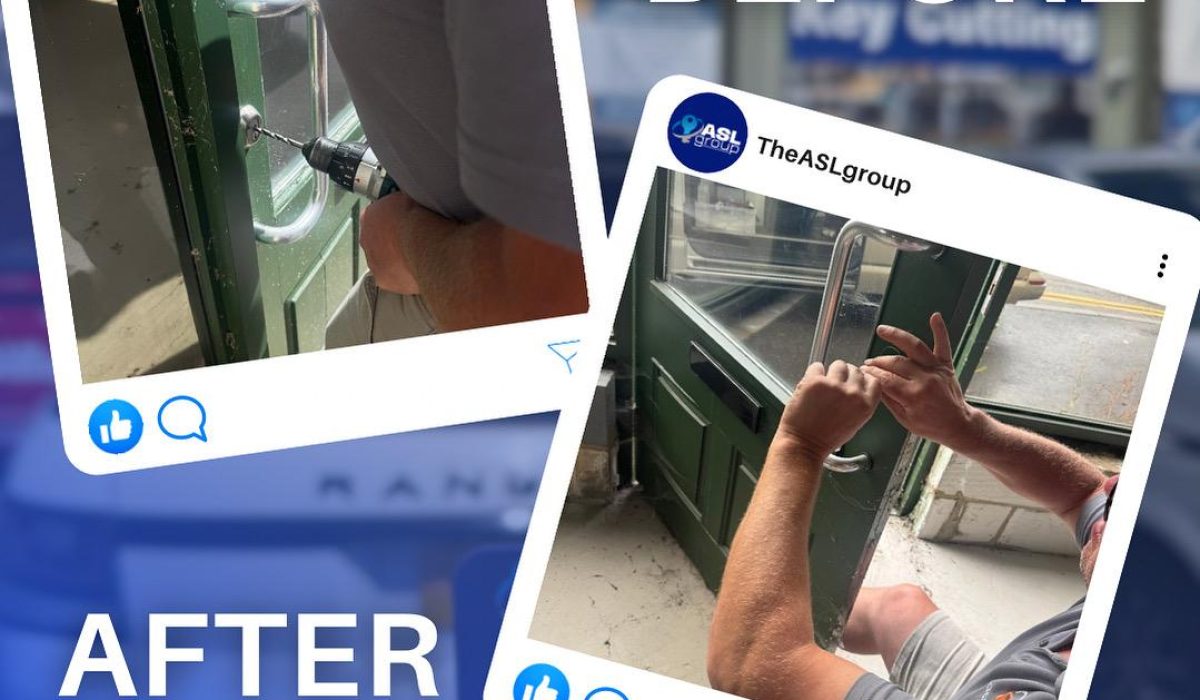
In today’s increasingly complex security landscape, small and medium-sized enterprises (SMEs) in Dorset face a multitude of threats to their business assets. From physical break-ins to cyber threats, the need for robust security measures has never been more critical. One effective approach to fortifying your business is to conduct a comprehensive security audit. But what exactly does this entail, and how can it benefit your Dorset-based business?
What is a Security Audit?
A security audit is a systematic evaluation of your business’s security policies, procedures, and physical measures. The goal is to identify vulnerabilities and assess the effectiveness of existing security measures. By understanding your security posture, you can make informed decisions about where to invest in improvements.
Why Conduct a Security Audit?
-
Identify Weaknesses: A thorough audit will uncover potential vulnerabilities in your current security setup, whether they are physical gaps in your premises or weaknesses in your digital security.
-
Regulatory Compliance: Many sectors have specific regulations regarding security. Conducting an audit ensures that your business complies with necessary legal requirements, reducing the risk of fines and penalties.
-
Protecting Your Assets: Understanding your vulnerabilities allows you to protect not just your physical assets but also sensitive customer data, which is crucial for maintaining trust.
-
Cost-Effective Solutions: By identifying weak points, you can prioritise your security investments, ensuring that funds are allocated to areas that will provide the highest return on investment.
-
Peace of Mind: Knowing that you have conducted a thorough assessment and have a plan in place for improvements can reduce anxiety for both business owners and employees.
How to Conduct a Security Audit: A Step-by-Step Guide
-
Define the Scope
- Determine which areas of your business will be included in the audit. This might encompass physical security, IT systems, employee training, and emergency procedures.
-
Gather Documentation
- Collect all relevant documents, including security policies, previous audit reports, and incident logs. This will provide a clearer picture of your existing security measures.
-
Perform a Physical Inspection
- Examine your premises for any physical security weaknesses. Look for points of entry that may be easily compromised, such as doors, windows, and gates.
-
Evaluate Access Control Measures
- Review your access control systems, including locks and key management. Are your current systems sufficient for your business needs? Consider whether you need to implement access control systems for enhanced security.
-
Assess Digital Security
- Conduct an evaluation of your IT security measures. This includes firewalls, antivirus software, and employee access controls. Ensure that your business complies with data protection regulations such as the GDPR.
-
Interview Staff
- Engage with employees to understand their perceptions of security. They can provide valuable insights into potential vulnerabilities and areas for improvement.
-
Compile Findings
- Create a report summarising your findings, including identified risks, recommendations for improvements, and a prioritised action plan.
-
Develop an Action Plan
- Based on your audit findings, develop a plan to address the identified vulnerabilities. This may include upgrading locks, implementing new security technologies, or enhancing employee training.
-
Schedule Regular Audits
- Security is not a one-off task. Schedule regular audits to ensure that your security measures remain effective and adapt to any changes in your business environment.
Common Mistakes to Avoid
-
Neglecting Employee Training: Security measures are only as strong as the people implementing them. Ensure that staff are trained on security protocols.
-
Underestimating Cybersecurity: Physical security is essential, but don’t overlook the importance of digital security measures. Cyber threats are increasingly prevalent.
-
Failing to Update Security Measures: Security technologies and threats evolve. Regularly assess and update your systems to keep pace.
Questions to Ask Your Security Auditor
When considering a professional for your security audit, ensure you ask the following questions:
- What experience do you have with businesses in my sector?
- Can you provide examples of past audits and their outcomes?
- How do you stay updated on the latest security threats and technologies?
- What is your process for addressing identified vulnerabilities?
Next Steps
After completing your security audit, it’s crucial to take action based on your findings. Implement the recommendations in your prioritised action plan and monitor the effectiveness of your new measures. Regularly reviewing and updating your security strategy will ensure that your Dorset business remains protected against emerging threats.
By understanding the importance of conducting regular security audits, you can create a safer environment for your employees and customers alike. If you need professional assistance with your security measures, consider reaching out to a local expert such as ASL Dorset Locksmiths, who can provide tailored solutions for your specific needs.
Conclusion
Security audits are vital for maintaining the integrity of your business. By proactively identifying vulnerabilities and implementing effective measures, Dorset SMEs can protect their assets and ensure long-term success. Don’t wait for an incident to occur; take the necessary steps today to secure your business.