


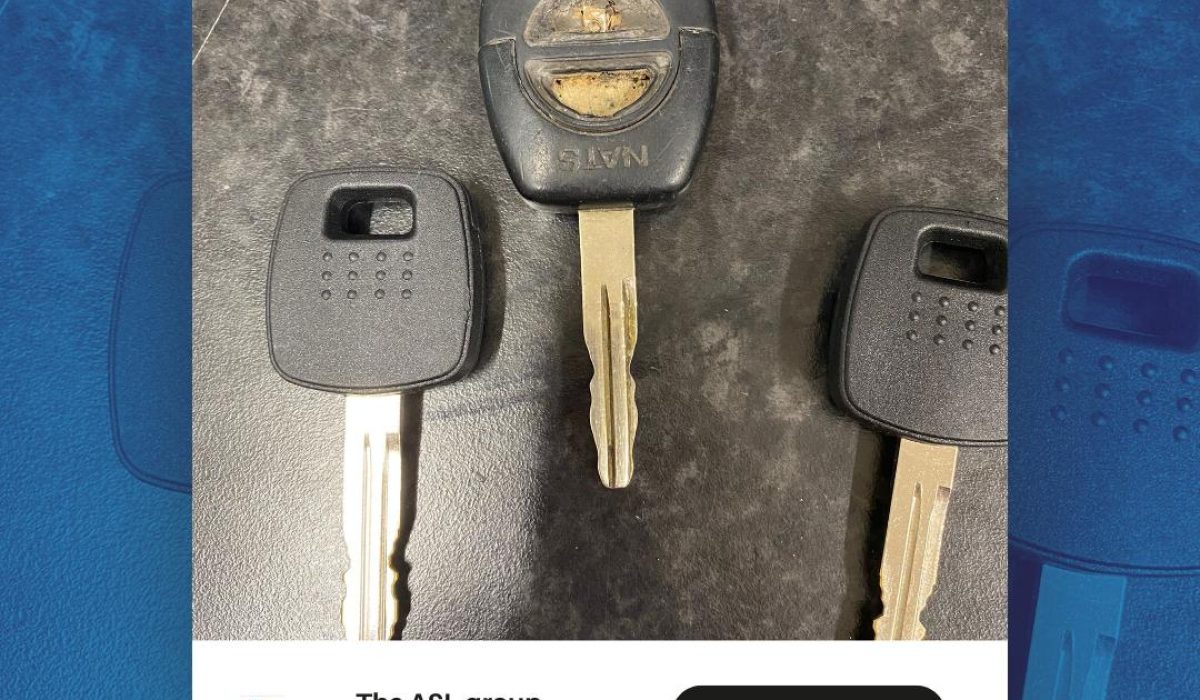
As a small or medium-sized enterprise (SME) in Dorset, ensuring the security of your business is paramount. The unfortunate reality is that break-ins can happen to any business, leaving owners to manage not just the financial losses but also the emotional toll of such an invasion. With the rise of crime rates in various regions, it is crucial to take proactive steps to protect your premises, assets, and employees. This blog post outlines essential security measures that can help you safeguard your business effectively.
Understanding the Risks
Before implementing security measures, it’s important to understand the risks specific to your area and industry. Consider the following:
- Local Crime Rates: Research local crime statistics to identify trends in burglaries and thefts that could affect your business.
- Type of Business: Different businesses may attract different types of criminal activity. Retail stores may be more susceptible to theft, while offices may face vandalism or break-ins.
- Location: Is your business in a high-footfall area or a remote location? Each presents unique challenges and security needs.
Essential Security Measures
To enhance your business security, consider implementing the following measures:
1. Install High-Quality Locks
Investing in high-quality locks is a fundamental step in securing your premises. Here are some points to consider:
- Deadbolts: Opt for deadbolts rather than standard locks, as they provide greater resistance to forced entry.
- Smart Locks: Consider smart locks that allow keyless entry and can be monitored remotely. This feature is beneficial for managing access to your premises.
- Master Key Systems: For businesses with multiple areas requiring different access levels, a master key system can simplify access control while maintaining security.
For professional advice on the best locks for your business, refer to our guide on choosing the right commercial lock.
2. Enhance Physical Security
Physical barriers can deter criminals from targeting your property:
- Security Cameras: Invest in a CCTV system to monitor key areas of your business. Choose cameras with night vision and remote access capabilities.
- Alarm Systems: A reliable alarm system can alert you and local authorities in the event of a break-in. Consider systems that offer monitoring services.
- Security Lighting: Well-lit areas deter criminals. Install motion-activated lights to illuminate dark corners and entrances.
3. Secure Windows and Doors
Your windows and doors are often the most vulnerable points of entry. Consider these strategies:
- Reinforced Glass: Use reinforced or laminated glass to make windows harder to break.
- Window Locks: Ensure all windows have secure locks, and consider adding window sensors that alert you if they are opened.
- Secure Doors: Make sure your doors are solid and equipped with quality locks. If you have double doors, install a security bar.
Implementing an Access Control System
An effective access control system can help you manage who enters your premises. Consider the following options:
- Key Card Systems: These systems allow employees to gain access with a card, which can be deactivated if lost or stolen.
- Biometric Access: Fingerprint or facial recognition systems offer a high level of security, as they are difficult to bypass.
- Visitor Management: Implement a system for managing visitors, including sign-in logs and visitor badges.
Training Employees in Security Awareness
Your employees play a crucial role in maintaining security. Invest in training sessions that cover:
- Recognising Suspicious Behaviour: Teach staff to identify and report unusual activity around the premises.
- Emergency Procedures: Ensure everyone knows what to do in the event of a break-in or security breach.
- Safe Practices: Encourage staff to secure their workspaces and report any security concerns immediately.
Regular Security Audits
Conduct regular security audits to identify potential vulnerabilities and ensure your measures are effective:
- Assess Locks and Systems: Check the condition and functionality of locks, alarms, and cameras.
- Review Procedures: Evaluate your security procedures and update them as necessary based on new threats or changes in your business operations.
- Consult Professionals: Consider hiring a professional locksmith to evaluate your security setup and recommend improvements.
For further guidance on enhancing security, refer to our post on essential tips for SMEs in Dorset.
Common Mistakes to Avoid
When securing your business, be mindful of these common mistakes:
- Neglecting Maintenance: Regularly check and maintain your security systems to ensure they function correctly.
- Underestimating Threats: Don’t assume that crime won’t happen to you. Always prepare for the unexpected.
- Ignoring Employee Input: Employees often have valuable insights into security. Encourage them to share concerns and suggestions.
Conclusion
Securing your Dorset-based SME requires a multi-faceted approach that integrates high-quality locks, physical security measures, employee training, and regular audits. By proactively addressing potential vulnerabilities, you can significantly reduce the risk of break-ins and protect your business from financial and emotional turmoil.
For more information on locksmith services tailored to the needs of your business, visit our site to learn about our locksmith services.